Pусский
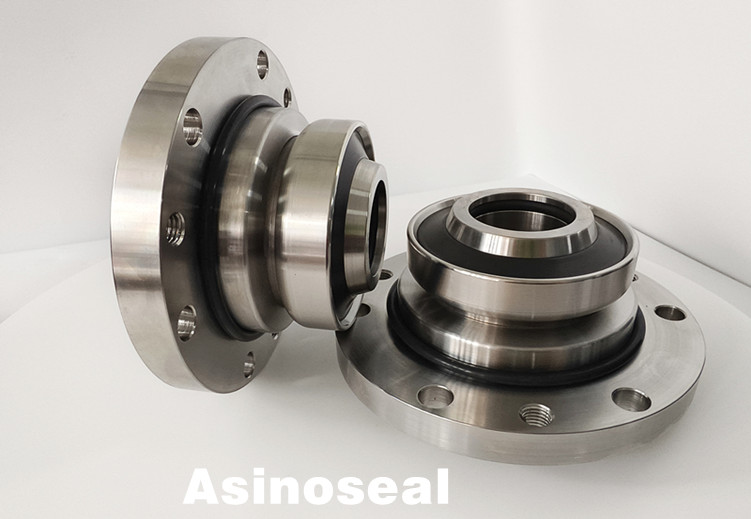
The mechanical seals for chemical industry are accelerating their transformation around material innovation, intelligent upgrading, and scenario adaptation, with high-end material substitution and intelligent monitoring technology becoming the core breakthrough direction.
1. Industry background: Demand upgrade drives technological change
As the core application field of seals, the chemical industry often faces extreme working conditions such as high temperature, high pressure, and strong corrosion, which require strict reliability and durability of mechanical seals. With the global manufacturing industry's green and intelligent transformation, traditional seals are upgrading from "basic accessories" to "intelligent core components", and technological innovation has become the key to enterprise competition.
2. Three core trends
Material Innovation: Dominated by Special Composite Materials
Traditional rubber materials are gradually being replaced by high-performance materials, and the proportion of new materials is expected to increase to 65% by 2030. In chemical equipment, corrosion-resistant and high-purity sealing materials have become mainstream:
Perfluoroether rubber: The domestication rate has significantly increased, meeting the requirements of semiconductor grade high purity, and has been commercially used in fine chemical reactors.
Graphene reinforced material: laboratory friction coefficient reduced by 40%, wear resistance improved, suitable for sealing high-speed mixing equipment.
Environmentally friendly composite materials: Green materials account for 29% of the procurement cost, and biodegradable rubber is increasingly being used in pharmaceutical and chemical sealing scenarios.
Intelligent upgrade: functional integration and status monitoring
The intelligent sealing system has become a standard feature in the high-end market. The mechanical seal with integrated sensors can monitor parameters such as temperature, pressure, and vibration in real time, predict equipment failures, and reduce the risk of unplanned shutdowns in chemical plants. It is expected that by 2030, intelligent seals with condition monitoring capabilities will account for 70% of the high-end chemical market.
3. Scenario adaptation: Customized solutions to meet segmented needs
The diversity of chemical equipment drives the development of customized seals, and solutions for different process scenarios are emerging:
Application scenario technical requirements
High temperature reaction kettle temperature resistance>300 ℃, anti-aging
Deep sea drilling platform resistant to high pressure (10MPa+) and seawater corrosion
Pharmaceutical grade reactors have zero leakage and no pollution
(Additional note: Customized solutions require material selection and structural design based on equipment operating conditions, and leading enterprises have formed a rapid response research and development system.)
4. Future direction: Technological breakthroughs and market concentration
The industry concentration will continue to increase, and enterprises with material research and development capabilities and scenario based service capabilities will be more competitive. In the short term, chemical machinery seals need to focus on breaking through the stability of materials under extreme working conditions and optimizing intelligent monitoring algorithms; In the long run, it is necessary to lay out sealing technology reserves in emerging fields such as hydrogen energy chemical industry and carbon capture to seize market opportunities.