Pусский




Suggested operating limits
Temperature: -20~120℃
Speed: ≤10m/s
Pressure≤1.0 Mpa
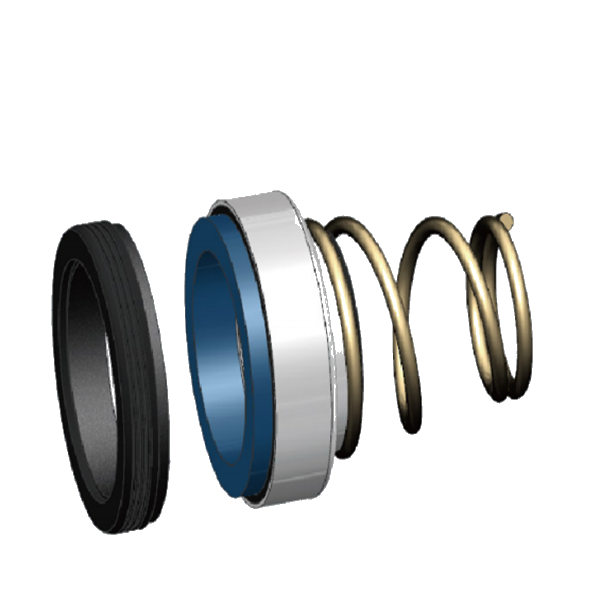
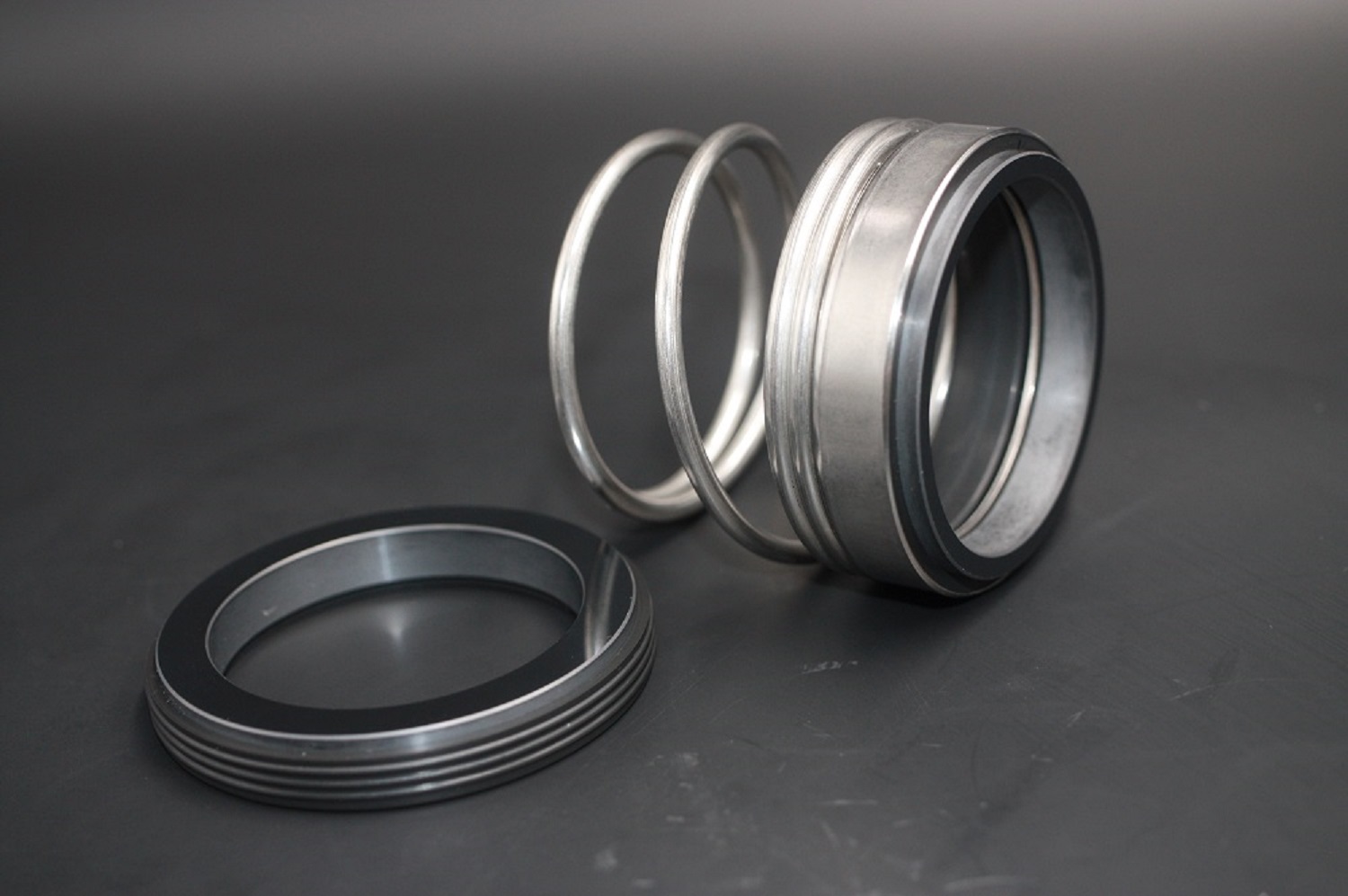
Combined material
Rotary face: Carbon/Sic/TC
Stat Ring: Ceramic/Sic/TC
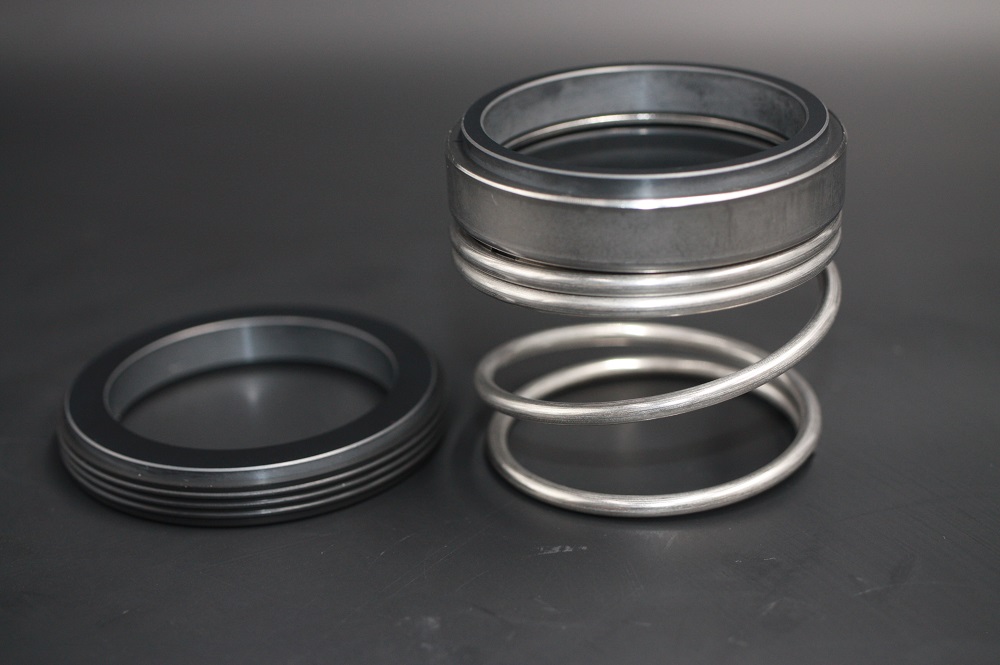
Seat Type:Standard AS-S60(EN12756)/S50(US standard)/S55.
Features:
For plain shafts
Single and dual seal
Elastomer bellows rotating
Unbalanced
Independent of direction of rotation
No torsion on bellows and spring
Conical or cylindrical spring
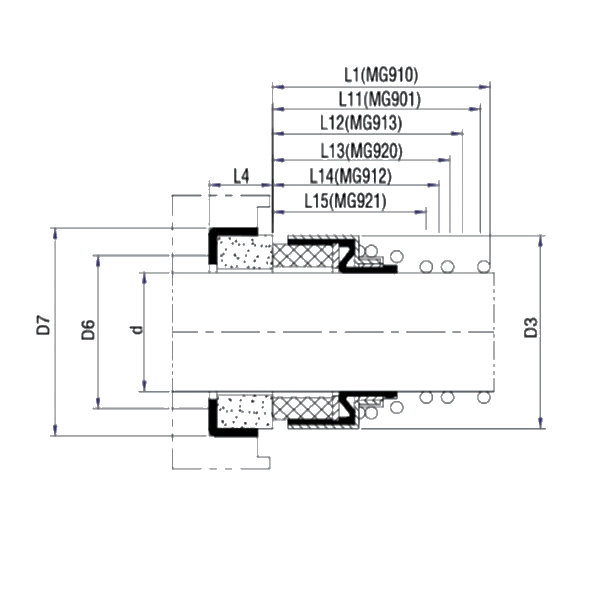
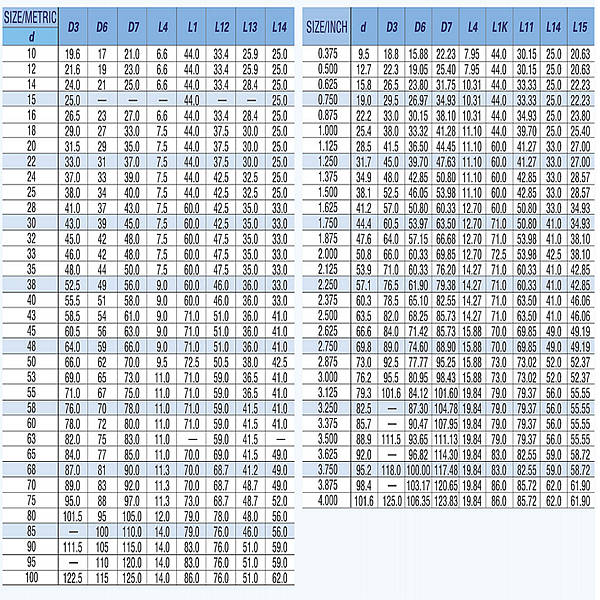
Metric and inch sizes available
Advantages:
Fits into any installation space due to smallest outer seal diameter
Individual installation length can be got available
High flexibility due to wide offer on materials
Universal application (standardization) opportunities
Recommended applications:
Water and waste water technology
Pulp and paper industry
Chemical industry
Cooling fluids
Media with low solids content
Pressure oils for bio diesel fuels
Circulating pumps
Submersible pumps
Multi-stage pumps (non-drive side)
Water and waste water pumps
Oil applications
For plain shafts
Single and dual seal
Elastomer bellows rotating
Unbalanced
Independent of direction of rotation
No torsion on bellows and spring
Conical or cylindrical spring
Metric and inch sizes available
Advantages:
Fits into any installation space due to smallest outer seal diameter
Individual installation length can be got available
High flexibility due to wide offer on materials
Universal application (standardization) opportunities
Recommended applications:
Water and waste water technology
Pulp and paper industry
Chemical industry
Cooling fluids
Media with low solids content
Pressure oils for bio diesel fuels
Circulating pumps
Submersible pumps
Multi-stage pumps (non-drive side)
Water and waste water pumps
Oil applications
Background Knowledge:
Preparation before installation of mechanical seals
1. Take out the mechanical seal to be installed from the packing box and place it on a clean surface, protect the sealing surface, and arrange all labels and certificates for inspection;
2. Check the model, specification, and material certificate of the mechanical seal, the number of parts, whether the pair of the rotary face and stationary seat meets the requirements of the drawings, and whether there are identification marks of the manufacturer on the parts;
3. Check the surface quality of each part, especially whether the mechanical seal rotary face and stationary seat face are damaged or scratched. If damaged, it must be repaired or replaced. The surface of the parts must be cleaned. Especially the mechanical seal rotary face and stationary seat face can be applied by a layer of oil;
4. Check the water pressure test certificate of the graphite ring, the glass-filled PTFE ring, and the assembled rotary face and stationary seat. If there is no pressure test certificate, a water pressure test must be done before installation. The test must be in accordance with the first section of Chapter VI. Regulations;
5. For mechanical seals driven by parallel coil springs, pay special attention to the direction of rotation of the spring. The direction of rotation should be the same as that of the shaft so that when we rotate it in the right direction, the spring will be tighter and tighter. That is, in the angle from the stationary seat to the rotary face according to the shaft rotation direction, a clockwise direction requires a right-handed maneuver, and vice versa.
When using multiple springs, check the number of and free length of each group of springs;
6 Check the axical displacement, shaft radial play, related perpendicularity, concentricity, surface roughness, matching size and requirements for the shaft coupling and so on. They are all technical requirements for the host machine installed with the mechanical seal.
Preparation before installation of mechanical seals
1. Take out the mechanical seal to be installed from the packing box and place it on a clean surface, protect the sealing surface, and arrange all labels and certificates for inspection;
2. Check the model, specification, and material certificate of the mechanical seal, the number of parts, whether the pair of the rotary face and stationary seat meets the requirements of the drawings, and whether there are identification marks of the manufacturer on the parts;
3. Check the surface quality of each part, especially whether the mechanical seal rotary face and stationary seat face are damaged or scratched. If damaged, it must be repaired or replaced. The surface of the parts must be cleaned. Especially the mechanical seal rotary face and stationary seat face can be applied by a layer of oil;
4. Check the water pressure test certificate of the graphite ring, the glass-filled PTFE ring, and the assembled rotary face and stationary seat. If there is no pressure test certificate, a water pressure test must be done before installation. The test must be in accordance with the first section of Chapter VI. Regulations;
5. For mechanical seals driven by parallel coil springs, pay special attention to the direction of rotation of the spring. The direction of rotation should be the same as that of the shaft so that when we rotate it in the right direction, the spring will be tighter and tighter. That is, in the angle from the stationary seat to the rotary face according to the shaft rotation direction, a clockwise direction requires a right-handed maneuver, and vice versa.
When using multiple springs, check the number of and free length of each group of springs;
6 Check the axical displacement, shaft radial play, related perpendicularity, concentricity, surface roughness, matching size and requirements for the shaft coupling and so on. They are all technical requirements for the host machine installed with the mechanical seal.
Send Message
Related Products
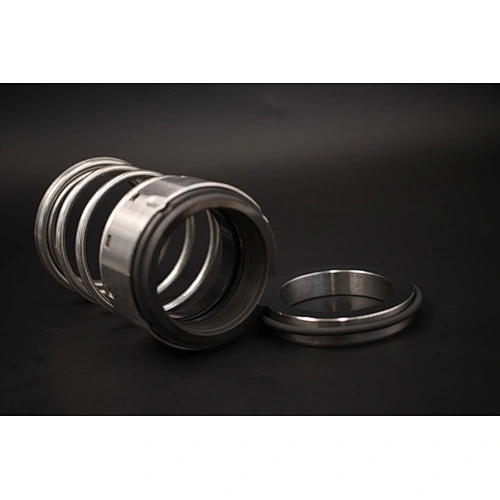
Model NO. AS-E01B

Model NO. AS-E02


Model NO. AS-EMRH

Model NO. AS-E560D

Model NO. AS-E20T

Model NO. AS-E560

Model NO. AS-E24